Your Complete Guide to Medicinal Cannabis Flower Dosing
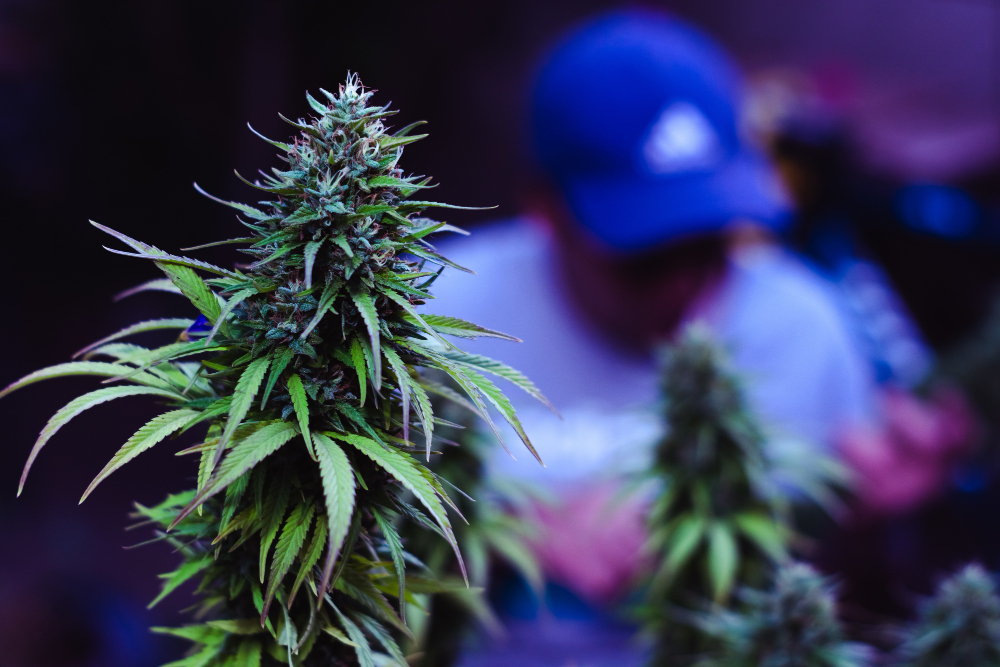
Getting started with medicinal cannabis can feel overwhelming, especially when it comes to determining the right dose. Unlike traditional medications with standardized dosing guidelines, cannabis requires a more personalized approach. The key to successful treatment lies in understanding how different factors affect your individual response and learning to adjust accordingly.
Proper dosing ensures you receive the therapeutic benefits you're seeking while minimizing unwanted side effects. Whether you're new to medicinal cannabis or looking to optimize your current regimen, this guide will walk you through everything you need to know about dosing cannabis flower safely and effectively.
Understanding Cannabis Flower Potency
Cannabis flower potency is measured by the concentration of cannabinoids, primarily THC (tetrahydrocannabinol) and CBD (cannabidiol). These percentages tell you how much of each compound is present in the flower.
THC is the psychoactive component that produces the "high" feeling, while CBD offers therapeutic benefits without intoxication. Most medicinal cannabis flowers contain varying ratios of these compounds, and understanding these ratios helps you predict the effects.
For example, a flower with 20% THC and 1% CBD will produce strong psychoactive effects, while a 10% THC and 10% CBD strain offers more balanced therapeutic benefits with milder psychoactive properties.
The "Start Low, Go Slow" Philosophy
The golden rule of cannabis dosing is starting with the smallest effective dose and gradually increasing until you achieve desired results. This approach helps you avoid overconsumption and identifies your optimal therapeutic window.
Begin with a single small inhalation if smoking or vaporizing. Wait at least 15 minutes before taking another dose, as effects can continue developing during this time. For new users, even a single puff might be sufficient to gauge your sensitivity.
This conservative approach becomes especially important with high-potency flowers. What feels like a small amount can deliver significant effects, particularly if you have limited tolerance or are sensitive to THC.
Consumption Methods and Their Impact on Dosing
Smoking
Smoking provides the fastest onset of effects, typically within minutes. This immediate feedback makes it easier to control your dose, as you can stop once you achieve the desired effect. However, smoking can be harsh on the lungs and may not be suitable for all patients.
Vaporizing
Vaporizing offers many of the same benefits as smoking but with less respiratory irritation. The effects onset is similarly rapid, and you maintain good control over dosing. Many patients find vaporizing provides a cleaner, more controlled experience.
Other Considerations
The temperature at which you vaporize can affect which compounds are released. Lower temperatures (around 350-375°F) tend to produce more CBD and terpenes, while higher temperatures (400-430°F) release more THC.
Individual Factors That Affect Dosing
Several personal factors influence how you respond to cannabis, making individualized dosing essential.
Body Weight and Metabolism: Larger individuals may require higher doses to achieve the same effects as smaller people. Your metabolic rate also affects how quickly your body processes cannabinoids.
Experience Level: Regular users develop tolerance over time, requiring higher doses for the same effects. New users should expect to need much smaller amounts initially.
Medical Conditions: Certain conditions may affect how you process cannabis. For example, liver conditions can impact metabolism, while respiratory issues might influence your preferred consumption method.
Medications: Some prescription medications can interact with cannabis or affect how your body processes it. Always consult with a healthcare provider about potential interactions.
Common Dosing Mistakes to Avoid
Many new patients make similar mistakes when starting their cannabis journey. Being aware of these pitfalls can help you avoid uncomfortable experiences.
Taking Too Much Too Soon: Patience is crucial with cannabis dosing. The urge to increase your dose quickly can lead to overwhelming effects that last for hours.
Inconsistent Timing: Taking doses too close together doesn't allow time to assess effects properly. This often leads to accidentally taking more than intended.
Ignoring Strain Differences: Different cannabis strains can have dramatically different effects, even at similar potency levels. What works for one strain may not work for another.
Not Tracking Your Experience: Without keeping records of what works and what doesn't, you're likely to repeat mistakes or forget successful combinations.
Creating Your Personal Dosing Schedule
Developing a consistent routine helps you better understand your response patterns and optimize your treatment.
Start by identifying the times of day when you need symptom relief most. Many patients find morning microdoses help with anxiety and focus, while evening doses support sleep and pain management.
Keep a simple log noting the strain used, amount consumed, time of day, and effects experienced. This information becomes invaluable for refining your approach over time.
Consider your daily activities when planning doses. If you need to drive or operate machinery, plan accordingly with your dosing schedule and choose strains that won't impair your functioning.
When to Adjust Your Dose
Signs that you might need to increase your dose include minimal symptom relief, effects wearing off too quickly, or no longer feeling benefits that were previously present.
Conversely, you should consider reducing your dose if you experience anxiety, paranoia, excessive drowsiness, or any effects that interfere with daily activities.
Remember that tolerance can develop over time, but taking periodic breaks (called "tolerance breaks") can help reset your sensitivity and reduce the amount needed for therapeutic effects.
Working with Healthcare Providers
While you can learn much about dosing through personal experimentation, working with knowledgeable healthcare providers enhances your success significantly.
A qualified marijuana card provider can help you navigate strain selection, dosing strategies, and potential drug interactions. They can also monitor your progress and suggest adjustments based on your medical history and treatment goals.
Finding Professional Support in Central Florida
If you're looking for a marijuana card provider in Altamonte Springs, FL, contact Cannabis Specialty Group today for more information. Professional guidance can make the difference between a frustrating trial-and-error process and a successful therapeutic experience.
Working with experienced providers ensures you receive personalized recommendations based on your specific needs, medical history, and treatment goals. They can help you avoid common mistakes and develop an effective dosing strategy more quickly than going it alone.