Qualifying Conditions for a Marijuana Card in Altamonte Springs, FL
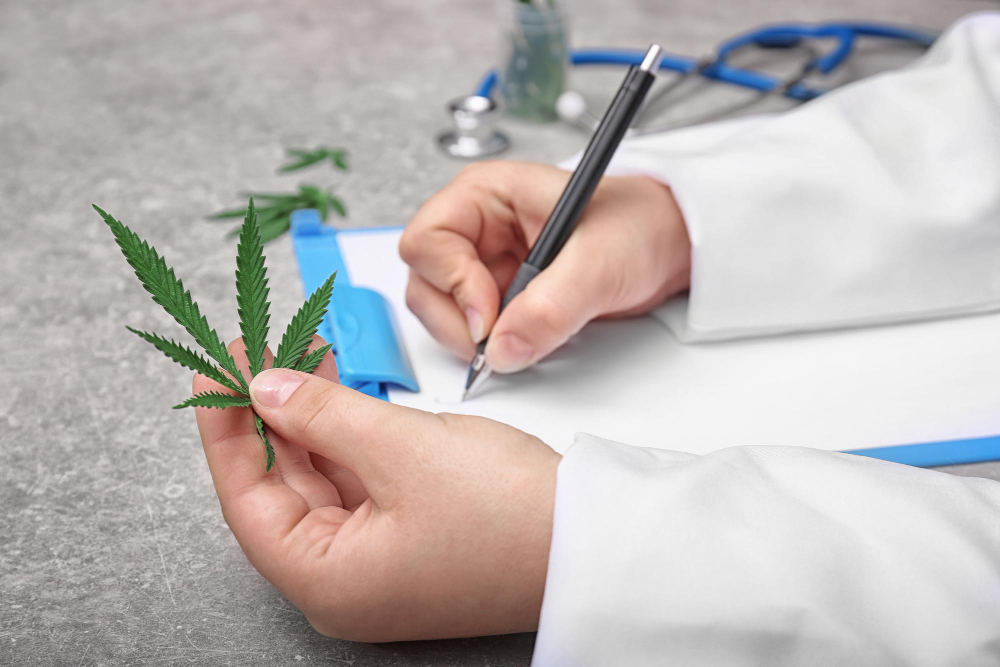
Florida's medical marijuana program has transformed healthcare access for thousands of residents dealing with chronic conditions. If you're considering applying for a medical marijuana card in Altamonte Springs, understanding the qualifying conditions is your first step toward accessing legal cannabis treatment.
The state maintains a specific list of medical conditions that qualify patients for medical marijuana cards. These conditions range from severe epilepsy to chronic pain, each carefully evaluated by state regulators and medical professionals. Knowing whether your condition qualifies can help you make informed decisions about your treatment options.
This guide breaks down Florida's qualifying conditions, explains the application process, and provides essential information for Altamonte Springs residents seeking medical marijuana cards.
Florida's Medical Marijuana Qualifying Conditions
Florida Statute 381.986 outlines specific medical conditions that qualify patients for medical marijuana treatment. The state requires patients to have one or more of these conditions, diagnosed by a qualified physician.
Primary Qualifying Conditions
Cancer: Patients diagnosed with cancer at any stage qualify for medical marijuana treatment. This includes those undergoing chemotherapy, radiation, or other cancer treatments that may benefit from cannabis therapy.
Epilepsy: Individuals with epilepsy, including treatment-resistant forms, can access medical marijuana. This condition was among the first approved when Florida legalized medical cannabis.
Glaucoma: Patients with glaucoma, particularly those experiencing increased intraocular pressure, qualify for medical marijuana cards.
HIV/AIDS: Individuals diagnosed with HIV or AIDS can obtain medical marijuana cards to help manage symptoms and treatment side effects.
Post-Traumatic Stress Disorder (PTSD): Veterans and civilians diagnosed with PTSD qualify for medical marijuana treatment in Florida.
Amyotrophic Lateral Sclerosis (ALS): Patients with ALS, also known as Lou Gehrig's disease, are eligible for medical marijuana cards.
Crohn's Disease: Individuals with Crohn's disease and other inflammatory bowel conditions qualify for medical cannabis treatment.
Parkinson's Disease: Patients diagnosed with Parkinson's disease can access medical marijuana to help manage symptoms.
Multiple Sclerosis (MS): Those with multiple sclerosis qualify for medical marijuana cards in Florida.
Additional Qualifying Conditions
Chronic Nonmalignant Pain: Patients experiencing chronic pain that hasn't responded to traditional treatments may qualify. This condition requires careful documentation and physician evaluation.
Terminal Conditions: Individuals with terminal diagnoses and life expectancies of less than one year automatically qualify for medical marijuana cards.
Medical Conditions of the Same Kind or Class: Florida law allows physicians to recommend medical marijuana for conditions "of the same kind or class" as those specifically listed. This provision gives doctors discretion in treating similar conditions.
Conditions Causing Chronic Seizures or Severe Muscle Spasms: Patients with conditions that cause persistent seizures or muscle spasms may qualify, even if not specifically listed elsewhere.
The Application Process in Altamonte Springs
Obtaining a medical marijuana card requires several steps, starting with finding a qualified physician.
Finding a Qualified Physician
Florida requires patients to see physicians registered with the state's medical marijuana program. These doctors have completed required training and can legally recommend medical cannabis. Altamonte Springs residents have access to several qualified physicians in the greater Orlando area.
Medical Evaluation
During your appointment, the physician will review your medical history, current symptoms, and treatment attempts. They'll determine whether your condition qualifies and if medical marijuana might benefit your treatment plan.
State Application
If approved by your physician, you'll submit an application to the Florida Department of Health. This includes:
- Completed application form
- Physician recommendation
- Valid Florida identification
- Application fee ($75 for most patients)
- Proof of residency
Processing Time
The state typically processes applications within 10-14 business days. Once approved, you'll receive your medical marijuana card by mail.
Understanding Dosage and Products
Florida's medical marijuana program offers various product types, including oils, tinctures, capsules, and smokable flower. Your physician will provide specific dosage recommendations based on your condition and treatment goals.
Low-THC vs. Full-Strength Products
Patients may receive recommendations for low-THC products (containing less than 0.8% THC) or full-strength cannabis products. The recommendation depends on your specific condition and physician assessment.
Monitoring and Follow-ups
Florida requires regular follow-up appointments with your recommending physician. These visits ensure your treatment remains effective and appropriate for your condition.
Costs and Insurance Considerations
Medical marijuana cards in Florida cost $75 for most patients, with reduced fees available for veterans and low-income individuals. The card remains valid for one year before requiring renewal.
Insurance typically doesn't cover medical marijuana costs, so patients pay out-of-pocket for products. Prices vary by dispensary and product type, making it important to research options in your area.
Legal Protections for Patients
Having a valid medical marijuana card provides legal protection under Florida law. Patients can possess up to a 70-day supply of medical marijuana as determined by their physician. However, federal law still classifies marijuana as a controlled substance, creating some limitations for cardholders.
Common Questions About Qualifying
Many patients wonder whether their specific symptoms or diagnoses qualify for medical marijuana treatment. Conditions like anxiety, depression, or general pain may qualify if they're severe enough and related to other qualifying conditions.
The "same kind or class" provision gives physicians flexibility in recommending medical marijuana for similar conditions. If you're unsure whether your condition qualifies, consulting with a qualified physician is the best approach.
Taking the Next Step
Understanding Florida's qualifying conditions is essential for anyone considering medical marijuana treatment. The state's program continues evolving, with ongoing discussions about expanding the list of qualifying conditions.
If you believe your condition might qualify for medical marijuana treatment, scheduling a consultation with a qualified physician is your next step. They can evaluate your specific situation and determine whether medical cannabis might benefit your treatment plan.
If you're looking for a marijuana card in Altamonte Springs, FL, contact Cannabis Specialty Group today for more information about qualifying conditions and the application process.