Who Qualifies for a Cannabis Card in Florida?
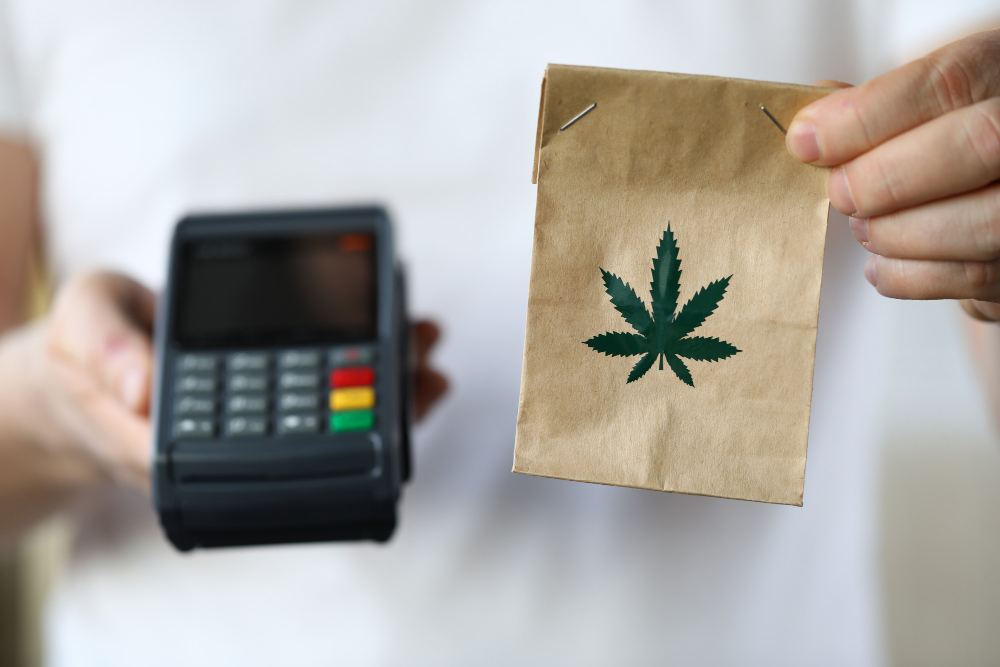
Florida’s medical cannabis program offers an alternative path to wellness for many residents grappling with health issues. Since its expansion, the program has provided access to cannabis for therapeutic use, but navigating the qualification requirements can often feel confusing. Understanding the specific medical conditions and the necessary steps is the first hurdle for anyone considering this option.
This guide will break down exactly who qualifies for a cannabis card in Florida. We'll explore the list of qualifying conditions, explain the process of getting a recommendation, and provide the information you need to determine if you are eligible. For those seeking a trusted cannabis card provider in Orlando, FL, this information will clarify your next steps toward potential relief.
Understanding Florida's Medical Cannabis Laws
In 2016, Florida voters approved the Florida Medical Marijuana Legalization Initiative, also known as Amendment 2. This landmark decision expanded the state's existing, more restrictive medical cannabis laws, allowing patients with a wider range of debilitating medical conditions to access cannabis for treatment.
The law established the Office of Medical Marijuana Use (OMMU) to oversee the state’s program. The OMMU is responsible for creating the rules for physicians, patients, and treatment centers. It also manages the Medical Marijuana Use Registry, a secure database that keeps track of all qualified physicians and patients in the state. To legally purchase and use medical cannabis, a patient must be certified by a qualified physician and registered in this database.
It's important to note that Florida law strictly regulates how and where medical cannabis can be used. It is illegal to consume it in public places, on any form of public transportation, or in your workplace (unless your employer permits it). Driving under the influence of cannabis is also illegal and carries severe penalties.
Qualifying Medical Conditions for a Cannabis Card
To be eligible for a medical cannabis card in Florida, a patient must be diagnosed with at least one of the state-approved qualifying conditions. A qualified physician must determine that the benefits of using medical cannabis would likely outweigh the potential health risks for the patient.
The specific debilitating medical conditions listed in the state's statute include:
- Cancer
- Epilepsy
- Glaucoma
- HIV/AIDS
- Post-traumatic stress disorder (PTSD)
- Amyotrophic lateral sclerosis (ALS)
- Crohn's disease
- Parkinson's disease
- Multiple sclerosis (MS)
Other Qualifying Conditions
The law also includes provisions for conditions that are not explicitly listed. A physician can certify a patient if they have a "medical condition of the same kind or class as or comparable to those above." This clause gives physicians the discretion to recommend cannabis for other debilitating conditions if they deem it appropriate.
Examples of these comparable conditions often include:
- Severe and chronic pain
- Anxiety disorders
- Depression
- Insomnia
- Migraines
- Arthritis
- Fibromyalgia
- Irritable Bowel Syndrome (IBS)
In addition to these, patients with a terminal condition diagnosed by a physician other than the qualified physician issuing the certification can also be eligible.
The Process of Getting Your Card
Securing a medical cannabis card in Florida involves a clear, multi-step process. Following these steps ensures you meet all state requirements and can legally access medical cannabis treatment centers.
Step 1: Find a Qualified Physician
Your journey begins with finding a physician who is qualified by the state of Florida to certify patients for medical cannabis use. Not all doctors are registered with the OMMU. You must consult with a physician who has completed the required training and is active in the Medical Marijuana Use Registry. If you are searching for a cannabis card provider in Orlando, FL, it’s crucial to verify their credentials with the OMMU.
Step 2: Schedule an In-Person Examination
Once you've identified a qualified physician, you must schedule an in-person physical examination. During this appointment, the physician will review your medical history, discuss your symptoms, and determine if you have a qualifying condition. It’s helpful to bring any relevant medical records, diagnoses, or prescriptions to this appointment to support your case. The physician needs to establish a bona fide physician-patient relationship, which requires a thorough evaluation.
Step 3: Physician Certification and Registry Entry
If the physician determines you are eligible, they will enter your information into the Medical Marijuana Use Registry. This includes your name, address, date of birth, and the specific details of your cannabis recommendation. You will need to provide a valid email address, as the OMMU will use it to communicate with you throughout the application process.
Step 4: Complete Your OMMU Application
After your physician has certified you, you will receive an email from the OMMU with a link to complete your application online. You will need to provide proof of Florida residency, such as a valid driver's license or state ID card. You’ll also need to submit a passport-style photo and pay the state-required application fee.
Step 5: Receive Your Approval and Card
Once your application is reviewed and approved by the OMMU, you will receive a temporary ID card via email. You can use this temporary card, along with a photo ID, to purchase medical cannabis from a licensed Medical Marijuana Treatment Center (MMTC). Your physical medical cannabis card will arrive in the mail a few weeks later.
Eligibility for Minors and Seasonal Residents
Florida law has specific provisions for minors and seasonal residents who wish to obtain a medical cannabis card.
For Minors: Patients under the age of 18 can qualify for a medical cannabis card, but the process requires additional steps. A second physician must agree with the primary physician's diagnosis and recommendation. The minor's parent or legal guardian must also act as their designated caregiver, responsible for purchasing and administering the medical cannabis.
For Seasonal Residents: Florida allows "snowbirds" or seasonal residents to apply for a medical cannabis card. To qualify, you must reside in Florida for at least 31 consecutive days each calendar year and maintain a temporary residence. You will need to provide two forms of proof of residency, such as a utility bill, a lease agreement, or bank statements showing your Florida address.
Find a Trusted Provider in Orlando
Navigating the requirements for a medical cannabis card can be straightforward when you have the right guidance. Understanding whether your condition qualifies and finding a knowledgeable physician are the most critical steps in the process. With the proper documentation and a certified professional, you can access the potential therapeutic benefits that medical cannabis may offer.
If you believe you have a qualifying condition and are looking for a trusted cannabis card provider in Orlando, FL, our team at CSG Med is here to help. We can guide you through the evaluation process, answer your questions, and help you determine your eligibility. Contact CSG Med today to learn more .