Traveling with Medicinal Cannabis: Your Complete Guide
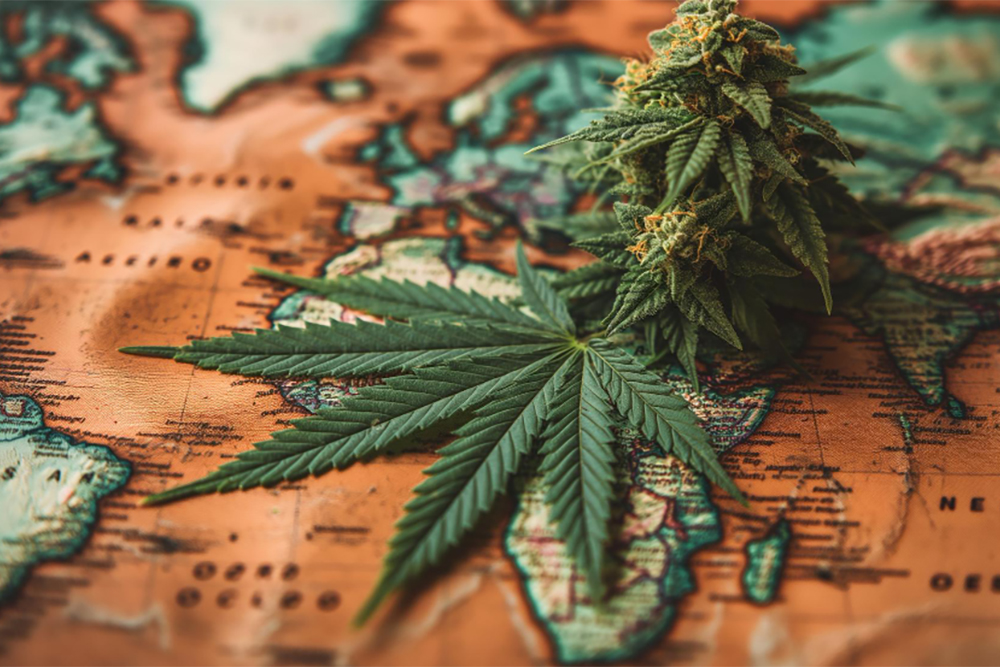
Planning a trip while using medicinal cannabis can feel overwhelming. Between varying state laws, TSA regulations, and international restrictions, patients often wonder if they should leave their medication at home or risk legal complications while traveling.
The reality is that traveling with medicinal cannabis requires careful planning and a thorough understanding of the laws in your departure location, destination, and any stops along the way. While some states have reciprocity agreements that recognize out-of-state medical marijuana cards, others maintain strict prohibitions that could result in serious legal consequences.
This guide will help you understand the complexities of traveling with medicinal cannabis, provide practical tips for safe travel, and explain when it's best to seek alternative arrangements for your medication needs.
Understanding State-by-State Cannabis Laws
The legal landscape for medicinal cannabis varies dramatically across the United States. Currently, 38 states plus Washington D.C. have legalized medical marijuana in some form, but each jurisdiction maintains its own specific regulations regarding possession limits, approved conditions, and reciprocity with other states.
Some states like Arizona, Arkansas, and Hawaii recognize valid medical marijuana cards from other states, allowing visiting patients to possess and sometimes purchase cannabis products. However, states like Idaho, Kansas, and Texas maintain complete prohibitions on cannabis, regardless of medical necessity or valid cards from other jurisdictions.
Before traveling, research the specific laws in every state you'll pass through or visit. What's legal in your home state may result in felony charges elsewhere, even with a valid medical marijuana recommendation.
TSA Guidelines and Federal Considerations
The Transportation Security Administration operates under federal law, where cannabis remains classified as a Schedule I controlled substance. TSA agents are required to report any cannabis products they discover to local law enforcement, regardless of medical marijuana cards or state laws.
However, TSA's primary mission focuses on transportation security, not drug enforcement. Their official policy states that they don't actively search for marijuana, but if discovered during routine screening, they must follow federal protocols.
Some key points about TSA and cannabis:
- CBD products containing less than 0.3% THC are federally legal and generally permitted
- Medical marijuana products with higher THC content remain federally prohibited
- TSA agents have discretion in how they handle discovered cannabis products
- Airport location significantly impacts potential consequences
Domestic Travel Strategies
If you're traveling domestically and need to bring medicinal cannabis, consider these approaches:
Research Destination Laws: Verify that your destination state has medical marijuana laws and determine if they recognize out-of-state cards. Some states require visitors to register with their medical marijuana program before purchasing products.
Consider Alternative Products: CBD products derived from hemp and containing less than 0.3% THC are federally legal and may provide some therapeutic benefits without the legal complications of traditional medical marijuana.
Plan for Emergencies: If you absolutely must travel with cannabis products, have documentation ready including your medical marijuana card, physician recommendations, and contact information for your prescribing doctor.
Timing Matters: Some patients choose to travel during periods when they can safely discontinue cannabis use, working with their healthcare providers to develop temporary alternative treatment plans.
International Travel Complications
International travel with cannabis products presents even greater challenges. Most countries maintain strict drug laws with severe penalties for cannabis possession, regardless of medical use or legal status in your home country.
Popular destinations like Canada, the Netherlands, and some European countries have their own medical cannabis programs, but they don't recognize foreign prescriptions or cards. Bringing cannabis products across international borders is considered drug trafficking and can result in imprisonment, hefty fines, and permanent travel restrictions.
If you're planning international travel, consult with your healthcare provider about alternative medications or treatment options that will be legal and available at your destination.
Working with Healthcare Providers
Your prescribing physician or cannabis card provider plays a crucial role in travel planning. They can provide documentation explaining your medical need for cannabis, suggest alternative treatments for travel periods, and help you understand potential drug interactions with other medications you might use while traveling.
Some healthcare providers can also connect you with medical professionals in your destination city who understand cannabis medicine and can provide guidance or emergency care if needed.
Finding Cannabis Card Providers and Medical Support
When planning travel, especially to Florida, it's important to understand the local medical marijuana landscape. Florida's medical marijuana program requires patients to establish relationships with qualified physicians who can provide recommendations and ongoing care.
For patients visiting or relocating to the Orlando area, establishing care with experienced medical professionals ensures continuity of treatment and compliance with local regulations. Florida's program has specific requirements for physician certification, patient registration, and product access that differ from other states.
Practical Travel Tips
Documentation: Always carry your medical marijuana card, physician recommendations, and any supporting medical documentation. Keep these documents easily accessible but secure.
Product Selection: If traveling within legal jurisdictions, choose products in original packaging with clear labeling showing THC/CBD content and compliance testing information.
Quantity Limits: Never exceed possession limits, even if you're traveling for extended periods. Research daily and total possession limits for each jurisdiction you'll visit.
Discretion: Even where legal, maintain discretion with cannabis products. Avoid use in public spaces, hotels that prohibit smoking, or rental cars.
Emergency Contacts: Maintain contact information for your healthcare provider, local attorneys familiar with cannabis law, and emergency contacts who understand your medical needs.
Alternative Treatment Options
Many patients successfully manage their conditions while traveling by working with healthcare providers to develop alternative treatment strategies. These might include:
- Prescription medications that provide similar therapeutic effects
- CBD products that are federally legal and widely available
- Non-pharmaceutical approaches like meditation, physical therapy, or dietary modifications
- Telemedicine consultations with your regular healthcare provider while traveling
Making Informed Decisions About Cannabis Travel
Traveling with medicinal cannabis requires weighing the therapeutic benefits against potential legal risks. While some patients successfully travel with their medication, others find that the stress and legal uncertainties outweigh the benefits.
The safest approach often involves working with healthcare providers to develop travel-specific treatment plans that don't rely on cannabis products. This planning should begin well before your departure date to allow time for testing alternative approaches and adjusting to any new medications or therapies.
Remember that laws change frequently, and what's legal today may not be tomorrow. Stay informed about current regulations, maintain relationships with knowledgeable healthcare providers, and prioritize your safety and legal compliance above all else.
If you're looking for a cannabis card provider in Orlando, FL, contact Cannabis Specialty Group today for more information about medical marijuana recommendations, travel guidance, and ongoing patient support services.