Medical Marijuana Laws Every Orlando Patient Should Know
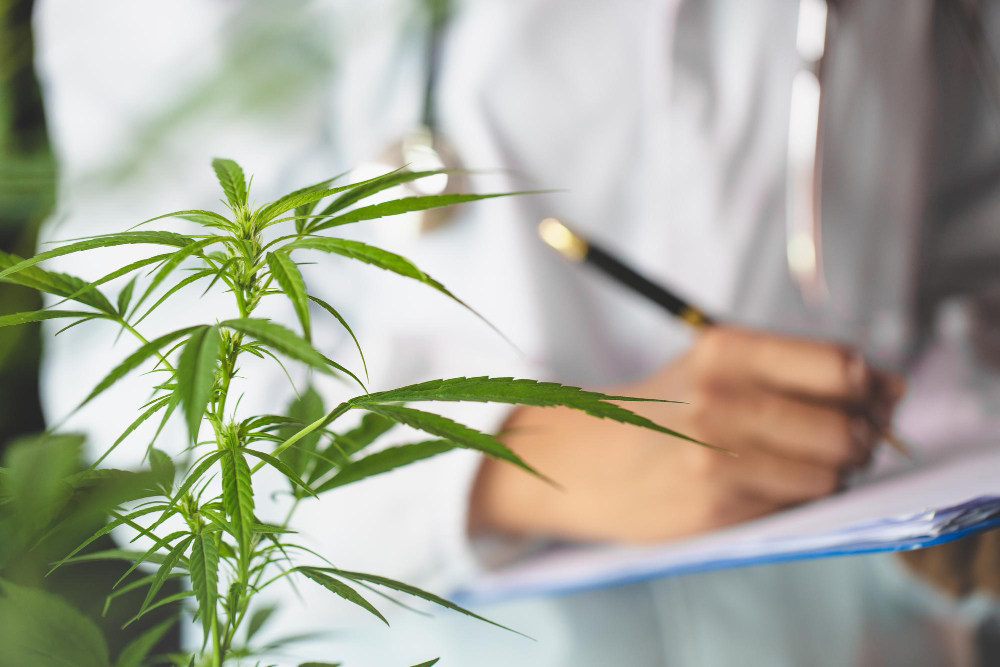
Medical marijuana has become an increasingly accessible treatment option for Florida residents dealing with qualifying medical conditions. Orlando patients seeking relief through cannabis-based therapies need to understand the specific laws and regulations governing medical marijuana use in the state. Whether you're considering applying for your first medical marijuana card or looking to stay compliant with current regulations, knowing these laws can help you navigate the process successfully.
Florida's medical marijuana program operates under strict guidelines that affect everything from qualifying conditions to purchase limits. Understanding these regulations ensures you can access the treatment you need while staying within legal boundaries.
Florida's Medical Marijuana Legal Framework
Florida legalized medical marijuana in 2016 through Amendment 2, which expanded access beyond the limited conditions previously allowed under the Compassionate Medical Cannabis Act of 2014. The Florida Department of Health oversees the state's medical marijuana program, establishing rules for patients, caregivers, and medical marijuana treatment centers.
The state maintains a registry system that tracks all medical marijuana patients and their purchases. This system helps ensure compliance with state laws while providing patients with legal protection when using medical marijuana as prescribed by their qualified physicians.
Qualifying Conditions for Medical Marijuana in Orlando
To obtain a medical marijuana card in Orlando, FL, patients must have one of the qualifying medical conditions recognized by the state. Florida law specifies several conditions that make patients eligible for medical marijuana treatment:
Specific Named Conditions:
- Cancer
- Epilepsy
- Glaucoma
- Post-traumatic stress disorder (PTSD)
- Amyotrophic lateral sclerosis (ALS)
- Crohn's disease
- Parkinson's disease
- Multiple sclerosis (MS)
- HIV/AIDS
Terminal Conditions:
Any terminal condition diagnosed by a physician other than the qualified physician issuing the medical marijuana recommendation qualifies patients for the program.
Chronic Medical Conditions:
The law also allows for medical marijuana recommendations for chronic medical conditions that produce symptoms that can be treated with medical marijuana, as determined by a qualified physician. This broader category gives doctors discretion to recommend medical marijuana for conditions that may benefit from cannabis treatment, even if not specifically listed.
The Application Process for Orlando Patients
Getting a medical marijuana card in Orlando, FL involves several steps that patients must complete carefully. The process typically takes 4-6 weeks from start to finish, though processing times may vary.
Step 1: Physician Consultation
Patients must first consult with a qualified physician who has completed the required medical marijuana education course. During this appointment, the doctor will review your medical history and determine if medical marijuana is appropriate for your condition.
Step 2: Medical Marijuana Recommendation
If the physician determines you qualify, they will enter a recommendation into the Medical Marijuana Use Registry. This recommendation specifies the types of medical marijuana products and dosages appropriate for your condition.
Step 3: State Application
Patients must then apply through the Florida Department of Health's online system within 30 days of receiving their physician's recommendation. The application requires personal information, proof of Florida residency, and a $75 application fee.
Step 4: Card Issuance
Once approved, the state issues a physical medical marijuana card that patients must carry when purchasing or possessing medical marijuana products.
Purchase and Possession Limits
Florida law establishes specific limits on how much medical marijuana patients can purchase and possess at any given time. These limits vary depending on the type of product:
Smoking Products:
Patients can purchase up to 2.5 ounces of smokable medical marijuana every 35 days. The state tracks these purchases to ensure patients don't exceed their limits.
Other Products:
For non-smokable products like oils, tinctures, edibles, and topicals, patients can purchase amounts equivalent to a 70-day supply as determined by their recommending physician.
Possession at Home:
Patients may possess up to a 70-day supply of their recommended medical marijuana products at their residence.
Where You Can Use Medical Marijuana in Orlando
Understanding where you can legally use medical marijuana is crucial for staying compliant with Florida law. The state prohibits medical marijuana use in many public spaces and specific locations.
Prohibited Locations:
- Any form of public transportation
- Any public place (including restaurants, bars, and retail establishments)
- Workplaces (unless permitted by employer policy)
- State parks and beaches
- Schools and school grounds
- Correctional facilities
- Any vehicle, aircraft, or boat being operated
Permitted Locations:
- Private residences
- Private property (with property owner permission)
- Designated areas in certain medical facilities
- Some hotels may permit use in designated rooms
Caregiver Regulations
Florida law allows for designated caregivers to assist qualified patients who may not be able to manage their medical marijuana treatment independently. Caregivers must meet specific requirements and register with the state.
Caregiver Requirements:
- Must be at least 21 years old
- Cannot have been convicted of a felony
- Must complete a background check
- Can serve as a caregiver for no more than four qualified patients
- Must register with the Department of Health and pay a $50 fee
Caregivers can purchase and possess medical marijuana on behalf of their designated patients but cannot consume the products themselves unless they are also qualified patients.
Renewal and Compliance Requirements
Medical marijuana cards in Orlando, FL require regular renewal to maintain legal status. Understanding these requirements helps ensure continuous access to treatment.
Card Renewal:
Medical marijuana cards expire annually and must be renewed before the expiration date. Patients need updated physician recommendations every 210 days (approximately 7 months) and must renew their state registration annually.
Physician Follow-ups:
Patients must maintain regular contact with their recommending physician, who can adjust recommendations based on treatment response and changing medical needs.
Legal Protections and Limitations
Florida's medical marijuana laws provide important legal protections for qualified patients while maintaining certain limitations that patients should understand.
Legal Protections:
- Protection from arrest for possession and use within legal limits
- Employment protections in some circumstances
- Protection from discrimination in medical treatment
- Custody protections for parents using medical marijuana legally
Important Limitations:
- No federal legal protections (cannabis remains federally illegal)
- No protection for driving under the influence
- Limited workplace protections
- Restrictions on firearm ownership may apply
Take the Next Step Toward Legal Medical Marijuana Access
Understanding Florida's medical marijuana laws empowers Orlando patients to make informed decisions about their treatment options. These regulations exist to ensure patient safety while providing access to potentially beneficial cannabis-based therapies.
The legal landscape for medical marijuana continues to evolve, making it important to stay informed about current regulations and requirements. Working with qualified professionals throughout the process helps ensure compliance and optimal treatment outcomes.
If you're looking for a medical marijuana card in Orlando, FL, contact CSG Med today for more information about qualifying conditions, the application process, and how medical marijuana might benefit your specific health needs.