Medical Cannabis vs Recreational Cannabis: Key Differences
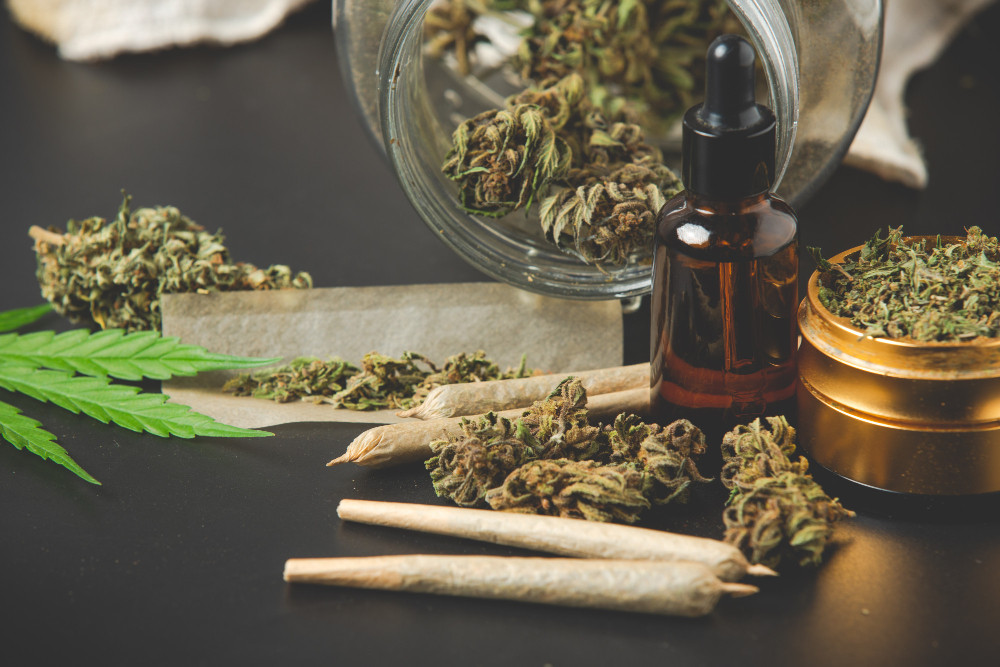
Cannabis legalization continues to expand across the United States, but not all cannabis programs are created equal. Understanding the distinction between medical and recreational cannabis can help you make informed decisions about which option best suits your needs.
Whether you're considering cannabis for health reasons or personal use, knowing the legal requirements, product differences, and access methods will guide you toward the right choice. This guide breaks down everything you need to know about medical versus recreational cannabis programs.
What Is Medical Cannabis?
Medical cannabis refers to marijuana products prescribed by licensed healthcare providers to treat specific medical conditions. Patients must obtain a medical marijuana card through their state's program to legally purchase and use these products.
Medical cannabis programs typically require:
- A qualifying medical condition from an approved list
- A recommendation from a licensed physician
- Registration with the state's medical marijuana program
- Regular renewals and follow-up appointments
States with medical cannabis programs often have more lenient federal oversight and broader product selections compared to recreational markets.
What Is Recreational Cannabis?
Recreational cannabis, also called adult-use cannabis, allows individuals 21 and older to purchase and consume marijuana products without a medical recommendation. These programs focus on personal enjoyment rather than therapeutic benefits.
Recreational cannabis programs generally feature:
- Age restrictions (typically 21+)
- Purchase limits on flower, edibles, and concentrates
- Higher tax rates compared to medical programs
- More retail locations and accessibility
Fewer product restrictions
Key Differences Between Medical and Recreational Cannabis
Legal Requirements
Medical cannabis requires patients to go through a formal application process. You must have a qualifying condition, receive a doctor's recommendation, and register with your state's program. This process can take several weeks to complete.
Recreational cannabis simply requires proof of age. Anyone 21 or older can walk into a licensed dispensary and make a purchase immediately.
Product Quality and Selection
Medical cannabis programs often maintain stricter quality control standards. Products undergo more rigorous testing for potency, pesticides, and contaminants. Medical dispensaries also typically carry a wider variety of specialized products, including high-CBD strains and targeted formulations.
Recreational products meet safety standards but may have fewer therapeutic options. The focus shifts toward popular strains and products that appeal to casual users.
Pricing and Taxes
Medical cannabis usually costs less than recreational products. Medical patients often pay lower taxes or receive tax exemptions entirely. Some states also offer reduced pricing for low-income patients or veterans.
Recreational cannabis carries higher tax burdens. State and local taxes can add 20-40% to the final purchase price, making recreational products significantly more expensive.
Purchase Limits
Medical patients typically enjoy higher purchase limits. They can buy larger quantities of flower, edibles, and concentrates to ensure they have adequate supplies for their treatment.
Recreational users face stricter purchase limits. These restrictions aim to prevent diversion to illegal markets and ensure product availability for all customers.
Privacy Protection
Medical cannabis programs offer stronger privacy protections. Patient information is protected under medical privacy laws, and employers may face restrictions on disciplinary actions for legal medical use.
Recreational purchases receive less privacy protection. While dispensaries keep transaction records private, recreational use doesn't carry the same legal protections in employment or other situations.
Qualifying Conditions for Medical Cannabis
Medical cannabis programs specify which conditions qualify for treatment. Common qualifying conditions include:
- Chronic pain
- Cancer and cancer treatment side effects
- Epilepsy and seizure disorders
- Glaucoma
- HIV/AIDS
- Multiple sclerosis
- PTSD
- Crohn's disease and inflammatory bowel disorders
- Alzheimer's disease
- Parkinson's disease
Each state maintains its own list of qualifying conditions. Some states allow doctors to recommend cannabis for any condition they believe would benefit from treatment.
Getting a Medical Marijuana Card in Orlando, FL
Florida's medical cannabis program allows qualified patients to access marijuana products through licensed dispensaries. The process involves several steps:
First, schedule an appointment with a state-licensed physician who can recommend medical marijuana. The doctor will evaluate your condition and determine if cannabis might provide therapeutic benefits.
Next, complete the application through Florida's Office of Medical Marijuana Use registry. You'll need to provide personal information, medical documentation, and pay the required fees.
After approval, you'll receive your medical marijuana card and can begin purchasing products from licensed dispensaries throughout Florida.
The entire process typically takes 2-4 weeks from initial appointment to receiving your card.
Benefits of Medical Cannabis Programs
Medical cannabis programs offer several advantages over recreational markets:
Therapeutic Focus: Medical programs prioritize products designed for specific health conditions rather than general consumption.
Lower Costs: Reduced taxes and patient discounts make medical cannabis more affordable for those who need it most.
Professional Guidance: Medical patients receive ongoing support from healthcare providers who can adjust recommendations based on treatment response.
Legal Protection: Medical cannabis patients enjoy stronger legal protections and may have defenses against certain criminal charges.
Consistent Supply: Medical programs prioritize patient access, ensuring adequate product availability even during high-demand periods.
Recreational Cannabis Considerations
Recreational cannabis programs offer their own benefits:
Accessibility: No medical appointments or qualifying conditions required—just proof of age.
Convenience: More retail locations and extended hours make purchasing easier.
Social Acceptance: Recreational programs help normalize cannabis use and reduce stigma.
Product Innovation: Recreational markets often drive innovation in edibles, beverages, and other consumer products.
Economic Impact: Recreational programs generate significant tax revenue for states and local communities.
Making the Right Choice for You
Choosing between medical and recreational cannabis depends on your specific needs and circumstances.
Consider medical cannabis if you have a qualifying health condition, want lower costs, need higher purchase limits, or prefer products formulated for therapeutic use. Medical programs also offer better privacy protection and legal safeguards.
Recreational cannabis might be better if you don't have a qualifying condition, prefer immediate access without medical appointments, or want to try cannabis occasionally without long-term commitments.
Your Next Steps
Understanding the differences between medical and recreational cannabis helps you make an informed decision about which program best serves your needs. Medical programs offer therapeutic focus, cost savings, and legal protections, while recreational programs provide accessibility and convenience.
If you're considering cannabis for health reasons and live in Florida, exploring the medical program could provide significant benefits. The process is straightforward, and qualified patients gain access to high-quality products at reduced costs.
If you're looking for a medical marijuana card in Orlando, FL, contact Cannabis Specialty Group today for more information.