Indica vs. Sativa vs. Hybrid: Your Complete Strain Guide
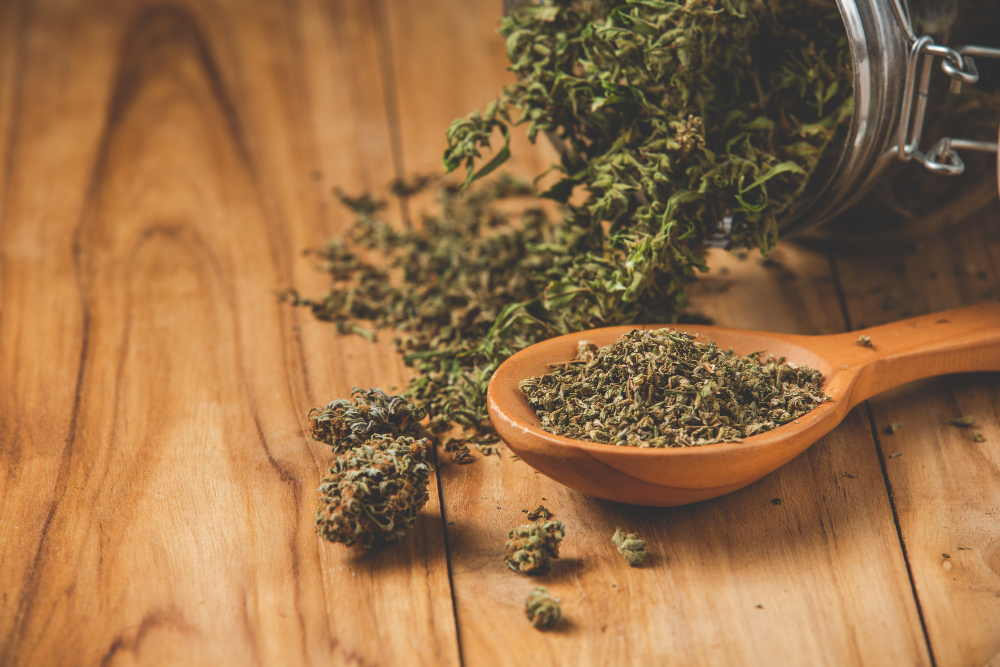
Understanding the differences between indica, sativa, and hybrid cannabis strains can feel overwhelming, especially when you're new to medical cannabis. Each type offers distinct characteristics that can influence your experience, from the effects you'll feel to the best time of day to use them.
Whether you're considering medical cannabis for chronic pain, anxiety, or sleep issues, knowing these differences will help you make informed decisions about your treatment. This guide breaks down everything you need to know about the three main cannabis categories, so you can choose the right strain for your specific needs.
What Are Cannabis Strains?
Cannabis strains are different varieties of the cannabis plant, each with unique combinations of compounds called cannabinoids and terpenes. These compounds work together to create distinct effects, flavors, and therapeutic benefits.
The three primary categories—indica, sativa, and hybrid—were originally based on the plant's physical characteristics and geographic origins. However, modern cannabis classification has evolved beyond these simple distinctions, as the effects depend more on the specific chemical profile than the plant's appearance.
Indica Strains: The Evening Choice
Indica strains typically originate from mountainous regions like Afghanistan, Pakistan, and India. These plants are known for their short, bushy appearance with broad leaves.
Effects and Benefits
Indica strains are commonly associated with relaxing, sedating effects. Users often report feeling:
- Deep physical relaxation
- Reduced muscle tension
- Improved sleep quality
- Stress relief
- Pain reduction
Best Times to Use
Most people prefer indica strains during evening hours or before bedtime. The relaxing effects make them ideal for unwinding after a long day or managing sleep disorders.
Common Medical Applications
Medical cannabis patients often choose indica strains for:
- Chronic pain management
- Insomnia and sleep disorders
- Muscle spasms
- Anxiety and stress
- Loss of appetite
Popular Indica Strains
Some well-known indica strains include Northern Lights, Granddaddy Purple, and Hindu Kush. These varieties are prized for their consistent relaxing effects and therapeutic potential.
Sativa Strains: The Daytime Energizer
Sativa plants traditionally come from equatorial regions like Colombia, Mexico, and Southeast Asia. They grow tall and thin with narrow leaves, adapting to the consistent light cycles near the equator.
Effects and Benefits
Sativa strains typically produce more energizing, uplifting effects. Users commonly experience:
- Increased energy and alertness
- Enhanced creativity and focus
- Elevated mood
- Social stimulation
- Mental clarity
Best Times to Use
Sativa strains work well during daytime hours when you need to stay productive and alert. Many users prefer them for social situations or creative activities.
Common Medical Applications
Medical patients often choose sativa strains to address:
- Depression and mood disorders
- Fatigue
- Attention deficit disorders
- Social anxiety
- Loss of motivation
Popular Sativa Strains
Notable sativa varieties include Sour Diesel, Jack Herer, and Green Crack. These strains are valued for their energizing properties and mental stimulation.
Hybrid Strains: The Best of Both Worlds
Hybrid strains result from crossbreeding indica and sativa plants. Growers create hybrids to combine desirable traits from both categories, offering more balanced or targeted effects.
Types of Hybrids
Hybrids fall into three main subcategories:
Indica-Dominant Hybrids: These lean toward relaxing effects while maintaining some sativa characteristics. They're perfect for users who want relaxation without heavy sedation.
Sativa-Dominant Hybrids: These provide energizing effects with subtle relaxing qualities. They offer mental stimulation while preventing anxiety that some pure sativas might cause.
Balanced Hybrids: These contain roughly equal indica and sativa genetics, providing moderate effects from both categories.
Benefits of Hybrid Strains
Hybrid strains offer several advantages:
- Customized effects for specific needs
- Reduced side effects through balanced genetics
- Versatility for different times of day
- Targeted relief for complex conditions
Popular Hybrid Strains
Well-known hybrid varieties include Blue Dream, Girl Scout Cookies, and OG Kush. These strains demonstrate how breeding can create unique effect profiles.
Choosing the Right Strain for Your Needs
Selecting the appropriate cannabis strain depends on several factors:
Consider Your Goals
Think about what you hope to achieve. Are you seeking pain relief, better sleep, increased energy, or mood enhancement? Your primary goal should guide your strain selection.
Evaluate Your Schedule
Consider when you'll be using cannabis. Indica strains work better for evening use, while sativas suit daytime activities. Hybrids offer flexibility for any time of day.
Start Low and Go Slow
Regardless of strain type, begin with small amounts to assess your tolerance and reaction. You can always increase your dose, but you can't undo taking too much.
Consult with Professionals
Medical cannabis doctors and dispensary staff can provide personalized recommendations based on your specific conditions and preferences.
Beyond the Basic Categories
Modern cannabis science reveals that effects depend more on specific compounds than strain categories alone. Two key factors to consider:
Cannabinoid Profiles
THC and CBD ratios significantly influence effects. High-THC strains produce more psychoactive effects, while CBD-rich varieties offer therapeutic benefits with minimal intoxication.
Terpene Content
Terpenes are aromatic compounds that contribute to strain effects. For example, myrcene promotes relaxation, while limonene can elevate mood.
Getting Started with Medical Cannabis
If you're considering medical cannabis, proper guidance is essential. A qualified medical cannabis doctor can evaluate your condition, recommend appropriate strains, and monitor your progress.
The process typically involves:
- Medical evaluation and consultation
- Strain recommendation based on your needs
- Dosage guidance and administration methods
- Follow-up appointments to adjust treatment
Making an Informed Decision
Understanding indica, sativa, and hybrid distinctions provides a solid foundation for your cannabis journey. However, remember that individual responses vary, and what works for others might not work for you.
Start with professional guidance, keep detailed records of your experiences, and remain patient as you find the right strain and dosage. Medical cannabis offers tremendous potential for symptom relief and improved quality of life when used appropriately.
If you're looking for a cannabis card in Orlando, FL, contact Cannabis Specialty Group today for more information. Their experienced team can help you navigate strain selection and develop a personalized treatment plan that meets your specific medical needs.