How to Store Medicinal Cannabis: Essential Tips for Patients
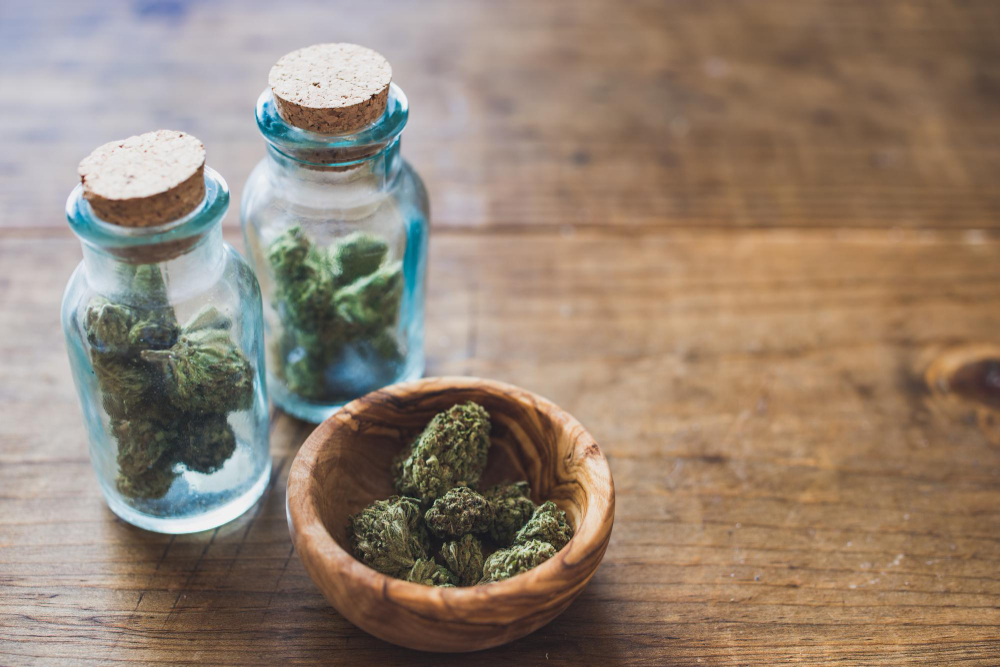
Medical cannabis can provide significant relief for various health conditions, but its effectiveness depends heavily on proper storage. Many patients unknowingly compromise their medication's potency and safety through inadequate storage practices. Understanding how to maintain your medicinal cannabis properly ensures you get the maximum therapeutic benefit from your prescription while protecting your investment.
Poor storage can lead to degraded cannabinoids, mold growth, and contamination—issues that not only reduce effectiveness but may also pose health risks. Whether you're new to medical cannabis or looking to improve your current storage methods, this guide will help you preserve your medicine's quality and extend its shelf life.
Why Proper Storage Matters for Medical Cannabis
Medical cannabis contains active compounds called cannabinoids, including THC and CBD, which provide therapeutic effects. These compounds are sensitive to environmental factors and can break down when exposed to unfavorable conditions. When cannabinoids degrade, your medicine becomes less effective, potentially requiring higher doses to achieve the same relief.
Beyond potency concerns, improper storage creates ideal conditions for harmful microorganisms. Mold, bacteria, and other contaminants can develop in cannabis stored in humid or unclean environments. For medical patients, especially those with compromised immune systems, exposure to these contaminants can cause serious health complications.
Quality medical cannabis represents a significant financial investment. Proper storage protects this investment by maintaining product integrity and preventing waste. When stored correctly, most medical cannabis products can retain their potency and safety for months or even years.
The Four Enemies of Cannabis Storage
Understanding what damages cannabis helps you create optimal storage conditions. Four primary factors can degrade your medical cannabis:
Light exposure breaks down cannabinoids through a process called photodegradation. UV rays are particularly harmful, converting THC into CBN, which has different therapeutic properties. Even indirect sunlight can cause gradual potency loss over time.
Heat accelerates chemical reactions that break down cannabinoids and terpenes. High temperatures can also cause moisture to evaporate, leaving your cannabis dry and harsh. Conversely, temperature fluctuations create condensation that promotes mold growth.
Humidity levels outside the optimal range create problems. Too much moisture encourages mold and bacterial growth, while too little causes trichomes to become brittle and break off, reducing potency. The ideal relative humidity for cannabis storage falls between 59-63%.
Oxygen exposure leads to oxidation, which degrades cannabinoids and affects flavor. While some air circulation prevents anaerobic conditions that could promote harmful bacteria, excessive exposure to oxygen will diminish your medicine's quality over time.
Best Practices for Different Cannabis Products
Flower Storage
Store cannabis flower in airtight glass containers, such as mason jars with tight-fitting lids. Glass doesn't impart flavors or odors and provides an excellent barrier against moisture and air. Choose dark-colored glass or store clear containers in dark locations to protect against light damage.
Place containers in a cool, dark location like a closet or cabinet. Avoid areas near heat sources, including heating vents, appliances, or windows that receive direct sunlight. A consistent temperature between 60-70°F works best for long-term storage.
Consider using humidity control packs designed specifically for cannabis storage. These products maintain optimal humidity levels automatically, preventing both overdrying and excess moisture. Replace humidity packs according to manufacturer recommendations to ensure continued effectiveness.
Concentrates and Extracts
Cannabis concentrates require different storage approaches depending on their consistency. Wax, shatter, and similar products should be stored in small, airtight containers made from glass or food-grade silicone. Avoid plastic containers, which can interact with concentrates and affect flavor.
Store concentrate containers in refrigerators for long-term preservation. Cold temperatures slow degradation processes and help maintain consistency. However, allow concentrates to reach room temperature before opening containers to prevent condensation from forming inside.
For daily-use portions, keep small amounts at room temperature in airtight containers. This approach minimizes temperature fluctuations for your main supply while keeping medicine readily accessible.
Edibles and Tinctures
Follow manufacturer storage instructions for cannabis edibles and tinctures. Most edibles should be refrigerated to prevent spoilage of food ingredients, though some products remain stable at room temperature. Check expiration dates regularly and rotate stock to use older products first.
Store tinctures in their original dark glass bottles with tight-fitting droppers. Keep them in cool, dark locations or refrigerate for extended shelf life. Avoid leaving tincture bottles in cars or other locations where temperatures fluctuate significantly.
Common Storage Mistakes to Avoid
Many patients inadvertently damage their medical cannabis through well-intentioned but incorrect storage practices. Storing cannabis in plastic bags or containers can create static that removes trichomes and may impart plastic flavors. Additionally, most plastic containers aren't truly airtight, allowing humidity and air exchange.
Freezing cannabis flower seems logical for long-term storage, but freezing temperatures make trichomes brittle and prone to breaking off. This mechanical damage reduces potency and creates a harsh smoking or vaporizing experience.
Grinders and pill organizers might seem convenient for pre-grinding cannabis, but ground material degrades much faster than whole flower. Only grind the amount you plan to use within a few days to preserve freshness and potency.
Bathroom storage exposes cannabis to humidity fluctuations from showers and baths. Similarly, kitchen storage subjects medicine to heat from cooking appliances and steam. Choose storage locations with stable environmental conditions instead.
Signs Your Cannabis Needs Replacement
Monitor your stored cannabis for signs of degradation or contamination. Visual inspection should reveal no visible mold, which appears as fuzzy growth in white, gray, green, or black colors. Any unusual discoloration or spots warrant immediate disposal.
Smell changes indicate potential problems. Fresh cannabis has a distinct, pleasant aroma, while degraded or contaminated products may smell musty, ammonia-like, or simply "off." Trust your nose—if something doesn't smell right, err on the side of caution.
Texture changes also signal storage issues. Properly stored flower should feel slightly springy when gently squeezed, not bone dry or excessively moist. Concentrates should maintain their expected consistency without becoming overly hard, soft, or oily.
Creating Your Storage System
Develop a consistent storage routine that protects your medical cannabis investment. Label containers with strain names and storage dates to track freshness and rotate stock appropriately. This practice helps ensure you use older products before they lose potency.
Invest in proper storage equipment rather than improvising with household items. Quality glass containers, humidity control packs, and appropriate storage furniture pay for themselves by preserving medicine quality and extending shelf life.
Keep storage areas clean and check stored products regularly. Monthly inspections allow you to catch potential problems early and maintain optimal storage conditions. Document any changes in product quality to identify storage issues before they affect your entire supply.
Protecting Your Medicine Investment
Proper storage transforms medical cannabis from a perishable product into a stable medicine that maintains its therapeutic properties over time. The techniques outlined above protect both the financial investment in your medicine and ensure consistent therapeutic effects when you need them most.
Storage requirements may seem detailed, but establishing good habits early prevents costly mistakes and ensures your medical cannabis provides maximum benefit. Quality storage equipment and consistent practices represent small investments compared to replacing degraded medicine.
If you're looking for a marijuana card provider in Orlando, FL, contact Cannabis Specialty Group today for more information about accessing medical cannabis and getting expert guidance on proper storage and usage techniques.