How Long Does Medical Cannabis Stay in Your System?
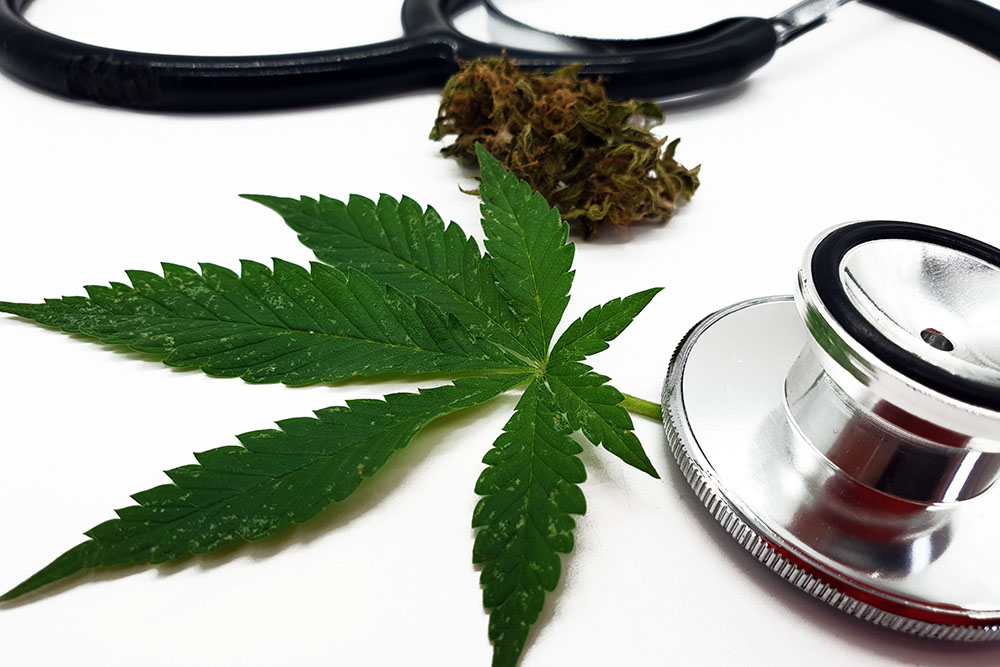
If you're considering getting a medical marijuana card in Altamonte Springs, FL, or you're already using medicinal cannabis, you've probably wondered how long it stays detectable in your system. This is a crucial question for many patients who need to balance their medical treatment with work requirements, legal obligations, or other concerns about drug testing.
Understanding how your body processes medical cannabis can help you make informed decisions about your treatment plan. The answer isn't straightforward—detection times vary significantly based on several factors, including your usage patterns, metabolism, and the type of test being used.
Let's explore what you need to know about medical cannabis detection times and how this information might impact your treatment decisions.
Factors That Affect Detection Times
Frequency of Use
Your usage pattern plays the biggest role in how long medical cannabis remains detectable. Occasional users typically clear THC from their systems much faster than regular patients who use cannabis daily for chronic conditions.
For patients who use medical cannabis once or twice per week, detection windows are generally shorter. However, those managing chronic pain, epilepsy, or other conditions requiring daily medication may have longer detection periods due to THC accumulation in fatty tissues.
Individual Metabolism
Your body's unique metabolic rate significantly impacts how quickly you process cannabinoids. Factors like age, weight, activity level, and overall health all influence your metabolism. People with faster metabolisms generally eliminate THC and its metabolites more quickly.
Body fat percentage also matters because THC is fat-soluble, meaning it stores in adipose tissue. Patients with higher body fat percentages may retain detectable levels longer than those with lower body fat.
Product Type and Potency
The form of medical cannabis you use affects detection times. Edibles, which are processed through your digestive system and liver, may create different metabolite patterns compared to inhaled cannabis. High-potency products with elevated THC levels can also extend detection windows.
CBD-dominant products with minimal THC content typically result in shorter detection times, making them an option for patients concerned about drug testing while still receiving therapeutic benefits.
Detection Methods and Timeframes
Urine Testing
Urine tests are the most common form of drug screening and detect THC metabolites rather than active THC. For medical cannabis patients, detection windows vary widely:
- Occasional use: 1-3 days
- Moderate use (few times per week): 5-7 days
- Regular daily use: 10-15 days
- Heavy daily use: 30+ days
These timeframes can extend for patients who have been using medical cannabis consistently for months or years.
Blood Testing
Blood tests detect active THC and are typically used to determine recent use or impairment. THC levels in blood drop relatively quickly:
- Most patients: 1-2 days
- Heavy users: Up to 7 days
Blood testing is less common for employment screening but may be used in legal situations or accident investigations.
Saliva Testing
Saliva tests are becoming more popular because they're non-invasive and can detect recent use. Detection windows are generally shorter:
- Most patients: 1-3 days
- Heavy users: Up to 7 days
Hair Testing
Hair follicle tests have the longest detection window, potentially showing cannabis use for up to 90 days. However, these tests are less commonly used and may not detect very recent use from the past week.
Tips for Medical Cannabis Patients
Know Your Rights
Florida law provides certain protections for medical marijuana cardholders, but these don't extend to all situations. Understanding your rights as a patient can help you navigate potential conflicts with employers or other entities.
Communicate with Healthcare Providers
Work closely with your prescribing physician to develop a treatment plan that considers your lifestyle and concerns about detection times. They may be able to recommend products or dosing schedules that minimize detection risks while maintaining therapeutic benefits.
Consider Your Schedule
If you know about upcoming drug tests, discuss timing with your healthcare provider. They might suggest temporary adjustments to your treatment plan or alternative therapies.
Stay Hydrated and Healthy
While there's no guaranteed way to speed up elimination, maintaining good overall health through proper hydration, exercise, and nutrition supports your body's natural detoxification processes.
Legal Considerations in Florida
Florida's medical marijuana program provides legal protection for cardholders using cannabis as recommended by qualified physicians. However, these protections have limitations, particularly regarding employment and federal regulations.
Private employers in Florida can still maintain drug-free workplace policies and may terminate employees who test positive for cannabis, even with a valid medical marijuana card. Some employers are beginning to modify their policies to accommodate medical users, but this varies by company.
Federal employees and those in safety-sensitive positions regulated by federal agencies face additional restrictions, as cannabis remains federally illegal regardless of state medical programs.
Making Informed Treatment Decisions
Understanding detection times shouldn't prevent you from accessing necessary medical treatment, but it can help you make informed decisions about your care. Many patients successfully manage their conditions with medical cannabis while navigating workplace and legal requirements.
Consider discussing these concerns openly with qualified medical professionals who understand both the therapeutic benefits of cannabis and the practical challenges patients face. They can help you develop strategies that prioritize your health while addressing your specific situation.
The key is finding a balance that allows you to receive effective treatment for your medical condition while managing any external concerns about detection times.
Getting Started with Medical Cannabis Treatment
If you're considering medical cannabis as a treatment option, working with experienced healthcare providers is essential. They can evaluate your specific medical needs, discuss potential benefits and risks, and help you understand how treatment might fit into your lifestyle.
Qualified physicians can also provide guidance on product selection, dosing strategies, and how to minimize potential complications related to drug testing while ensuring you receive effective treatment for your condition.
If you're looking for a medical marijuana card in Altamonte Springs, FL, contact Cannabis Specialty Group today for more information about how medical cannabis might benefit your specific health needs and circumstances.