How Florida Regulates Medicinal Cannabis Quality
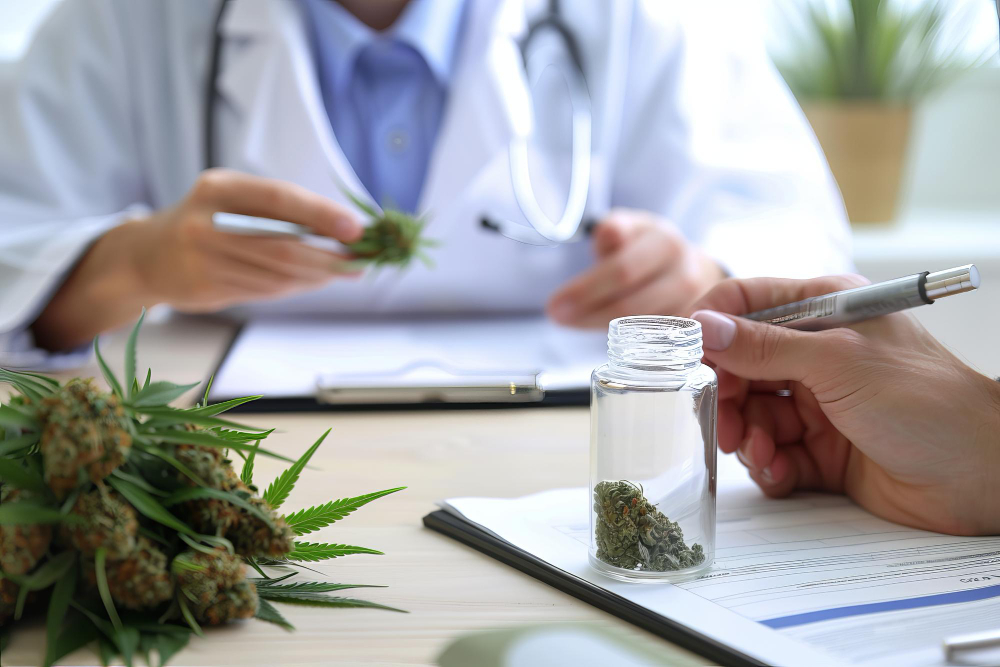
When Florida legalized medical marijuana in 2016, the state established one of the most comprehensive regulatory frameworks in the nation to ensure patient safety and product quality. For patients considering medical cannabis treatment, understanding Florida's quality control measures can provide confidence in the safety and effectiveness of their medication.
Florida's approach to medicinal cannabis regulation extends far beyond simple legalization. The state has created a "seed-to-sale" tracking system that monitors every aspect of cannabis production, from cultivation to final purchase. This rigorous oversight helps ensure that patients receive consistent, safe, and effective products while maintaining strict compliance with federal guidelines.
Whether you're a new patient exploring medical cannabis options or someone researching Florida's regulatory approach, this guide will walk you through the key quality control measures that protect patients throughout the state.
Florida's Regulatory Framework
The Florida Department of Health oversees all aspects of the state's medical marijuana program through the Office of Medical Marijuana Use (OMMU). This department works closely with licensed Medical Marijuana Treatment Centers (MMTCs) to maintain strict quality standards throughout the supply chain.
Florida requires all medical cannabis to be produced by vertically integrated companies. This means each licensed operator must handle cultivation, processing, testing, and dispensing under one roof. This vertical integration model allows for better quality control and accountability compared to states with more fragmented systems.
The state currently licenses a limited number of MMTCs, creating a controlled environment where regulators can closely monitor operations. Each facility must meet stringent security, sanitation, and operational requirements before receiving their license.
Cultivation Standards and Requirements
Florida's cannabis cultivation standards begin with facility requirements. All growing operations must take place in secure, enclosed structures with climate control systems. Outdoor cultivation is prohibited, giving growers precise control over environmental factors that affect plant quality.
Licensed cultivators must follow Good Agricultural Practices (GAP) guidelines adapted specifically for cannabis production. These practices cover everything from soil composition and water quality to pest management and harvesting procedures. Facilities undergo regular inspections to ensure compliance with these standards.
The state also requires detailed record-keeping for all cultivation activities. Growers must document seed sources, growing conditions, harvest dates, and yield information. This documentation creates a paper trail that allows regulators to trace any quality issues back to their source.
Laboratory Testing Requirements
One of Florida's strongest quality control measures is its mandatory laboratory testing program. All medical cannabis products must undergo comprehensive testing by state-approved laboratories before reaching patients.
Testing requirements include screening for pesticides, heavy metals, residual solvents, and microbial contaminants like bacteria, yeast, and mold. Products that fail any test cannot be sold and must be destroyed under regulatory supervision.
Potency testing ensures that products contain the cannabinoid levels listed on their labels. This testing helps patients receive consistent dosing and allows healthcare providers to make informed treatment recommendations. Florida requires testing for THC, CBD, and other major cannabinoids in all products.
The state maintains a list of approved testing methods and requires laboratories to participate in proficiency testing programs. These programs verify that labs can accurately and consistently identify contaminants and measure cannabinoid levels.
Product Manufacturing and Processing Standards
Florida regulates how cannabis is processed into various medical products, including oils, capsules, topicals, and vaporizable forms. All processing must occur in facilities that meet pharmaceutical-grade manufacturing standards.
Processing facilities must implement Hazard Analysis and Critical Control Points (HACCP) systems, which identify potential contamination risks and establish procedures to prevent them. These systems are commonly used in food and pharmaceutical manufacturing to ensure product safety.
The state requires specific procedures for extraction methods, particularly for products using solvents like butane or CO2. Facilities must demonstrate that their extraction processes remove harmful residuals while preserving beneficial compounds. Regular testing ensures that finished products meet residual solvent limits.
Packaging and Labeling Standards
Florida has detailed requirements for how medical cannabis products are packaged and labeled. All products must be sold in child-resistant containers with tamper-evident seals. This packaging helps prevent accidental ingestion and ensures product integrity from purchase to consumption.
Labels must include comprehensive information about the product's contents, including exact cannabinoid percentages, batch numbers, expiration dates, and recommended dosing information. This labeling helps patients make informed decisions about their treatment.
The state requires warning labels about potential side effects and interactions with other medications. Products must also include information about proper storage to maintain potency and prevent contamination.
Supply Chain Tracking and Monitoring
Florida uses a sophisticated seed-to-sale tracking system that monitors cannabis products throughout their lifecycle. This system, known as the Medical Marijuana Tracking System (MMTS), records every transaction and movement of cannabis from cultivation to final sale.
The tracking system helps prevent diversion of medical cannabis into illegal markets while providing regulators with real-time visibility into the supply chain. If quality issues arise, regulators can quickly identify affected products and remove them from circulation.
Patients can access some tracking information through their medical marijuana ID cards, allowing them to verify the authenticity and origin of their products. This transparency builds trust between patients and the regulatory system.
Ongoing Compliance and Enforcement
Florida conducts regular inspections of all licensed facilities to ensure ongoing compliance with quality standards. These inspections cover everything from security procedures and record-keeping to product handling and storage practices.
The state has the authority to issue violations, fines, and license suspensions for compliance failures. Serious quality control violations can result in product recalls or facility closures. This enforcement mechanism helps maintain high standards throughout the industry.
Licensed operators must also submit regular reports to the Department of Health, including production data, testing results, and inventory information. This reporting requirement provides regulators with ongoing visibility into industry operations.
Your Path to Safe Medical Cannabis Treatment
Florida's comprehensive regulatory framework ensures that medical cannabis patients have access to safe, tested, and effective products. The state's rigorous quality control measures provide multiple layers of protection, from cultivation through final purchase.
For patients considering medical cannabis treatment, working with experienced healthcare providers and licensed dispensaries is essential. These professionals can help navigate Florida's medical marijuana program while ensuring access to properly regulated products.
If you're looking for a cannabis card provider in Altamonte Springs, FL, contact Cannabis Specialty Group today for more information about how medical cannabis might fit into your treatment plan.