How Florida Ensures Safe Medicinal Cannabis for Patients
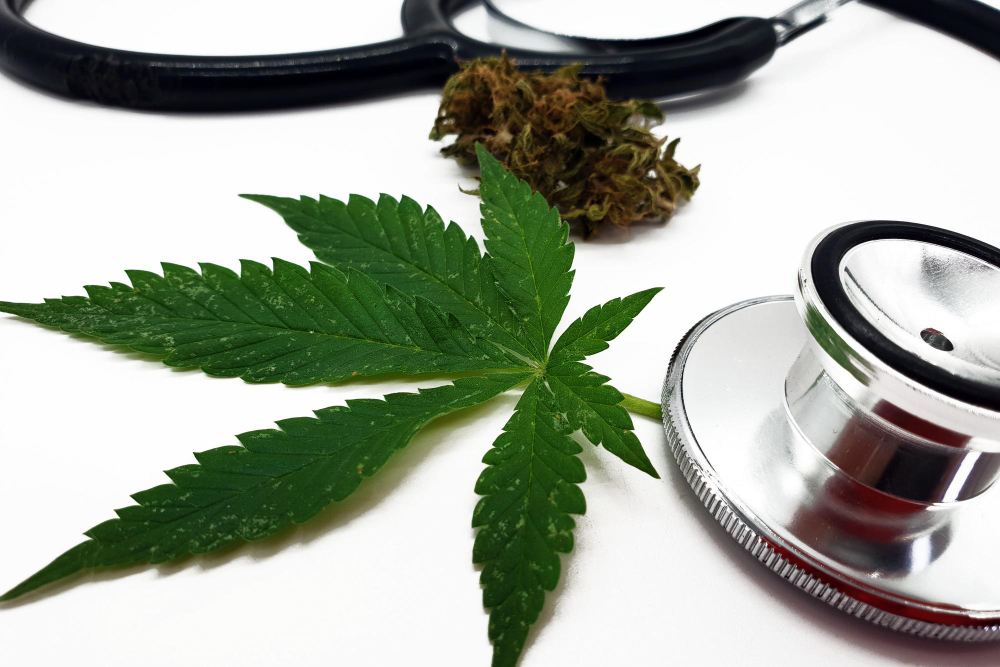
Florida's medical marijuana program has grown significantly since its inception, serving thousands of patients across the state who rely on cannabis for managing various health conditions. But behind every product dispensed to patients lies a comprehensive system of testing and regulation designed to ensure safety, potency, and quality.
Understanding how Florida regulates medicinal cannabis can help patients make informed decisions about their treatment options. Whether you're considering applying for your first cannabis card in Orlando, FL, or you're already a patient curious about the products you're using, knowing what goes into testing and regulation provides valuable peace of mind.
The state's approach combines rigorous laboratory testing, strict facility oversight, and detailed tracking systems to maintain the integrity of medical marijuana from seed to sale. This multilayered system protects patients while ensuring they have access to consistent, effective products for their medical needs.
Florida's Medical Marijuana Regulatory Framework
The Florida Department of Health oversees the state's medical marijuana program through its Office of Medical Marijuana Use (OMMU). This regulatory body establishes and enforces standards for everything from cultivation practices to final product testing.
Licensed Medical Marijuana Treatment Centers (MMTCs) must comply with comprehensive regulations covering facility security, product handling, staff training, and quality control measures. These requirements ensure that every step of the cannabis production process meets strict state standards.
The regulatory framework also includes detailed record-keeping requirements that track each plant and product throughout its lifecycle. This "seed-to-sale" tracking system allows regulators to monitor inventory, prevent diversion, and quickly identify any issues that may arise in the supply chain.
Mandatory Testing Requirements
Contaminant Screening
All medical marijuana products in Florida must undergo extensive testing for harmful contaminants before reaching patients. This includes screening for pesticides, heavy metals, residual solvents, and microbial contaminants such as bacteria, yeast, and mold.
The state maintains a list of approved pesticides that cultivators may use, and any product showing pesticide residues above established limits cannot be sold to patients. Heavy metal testing focuses on lead, cadmium, mercury, and arsenic—substances that can be particularly harmful when consumed regularly.
Microbial testing protects patients from potentially dangerous bacteria like E. coli and Salmonella, as well as harmful fungi. This testing is especially important for patients with compromised immune systems who may be more susceptible to infections.
Potency Analysis
Florida requires precise potency testing to ensure patients receive consistent, accurately labeled products. Testing laboratories analyze cannabinoid profiles, measuring levels of THC, CBD, and other therapeutic compounds.
This potency information appears on product labels, allowing patients and their physicians to make informed dosing decisions. Accurate potency data is crucial for patients who need specific cannabinoid ratios to manage their conditions effectively.
The state sets limits on THC concentrations for different product types, and testing ensures these limits are maintained. Products that exceed allowable THC levels cannot be sold in the medical marijuana program.
Licensed Testing Laboratories
Florida authorizes independent, third-party laboratories to conduct all required testing for medical marijuana products. These labs must meet strict accreditation standards and maintain ISO/IEC 17025 certification, demonstrating their competence in testing and calibration.
Licensed testing labs undergo regular inspections and proficiency testing to ensure they maintain high standards of accuracy and reliability. The state requires labs to use validated testing methods and maintain detailed documentation of all procedures and results.
Testing laboratories must also maintain complete independence from MMTCs to prevent conflicts of interest. This separation ensures objective, unbiased testing results that patients and regulators can trust.
Quality Control Throughout Production
Cultivation Standards
Medical marijuana cultivation facilities must follow Good Manufacturing Practices (GMP) similar to those used in pharmaceutical production. These standards cover everything from soil and water quality to pest management and harvesting procedures.
Cultivators must implement comprehensive quality control programs that include regular testing of growing media, water sources, and environmental conditions. Documentation requirements ensure that any issues can be quickly identified and addressed.
The state also requires cultivation facilities to maintain strict security measures, including surveillance systems, access controls, and inventory tracking. These measures help prevent diversion while maintaining product integrity.
Processing and Manufacturing
When medical marijuana is processed into oils, capsules, or other products, additional quality control measures apply. Processing facilities must maintain clean room environments and follow strict protocols for handling and manufacturing products.
Each batch of processed products undergoes testing at multiple stages of production. This testing helps identify any issues early in the manufacturing process, reducing waste and ensuring consistent quality.
Temperature controls, humidity management, and contamination prevention protocols help maintain product stability and potency throughout processing and storage.
Patient Safety Measures
Product Labeling Requirements
Florida mandates comprehensive labeling for all medical marijuana products, providing patients with essential safety and dosing information. Labels must include cannabinoid content, recommended serving sizes, batch numbers, and expiration dates.
Warning labels alert patients to potential side effects and drug interactions, while storage instructions help maintain product quality and safety. Batch numbers enable quick identification of products if recalls become necessary.
The state also requires child-resistant packaging for all medical marijuana products, protecting children from accidental exposure while ensuring patients can access their medication.
Tracking and Recall Systems
Florida's seed-to-sale tracking system enables rapid identification and removal of problematic products from the market. If testing reveals contamination or other safety issues, regulators can quickly trace affected products and initiate recalls.
The tracking system also helps prevent diversion by monitoring all product movements from cultivation facilities through dispensaries to patients. This comprehensive oversight maintains the integrity of the medical marijuana supply chain.
MMTCs must maintain detailed records of all products sold, including patient information and purchase dates. This information proves invaluable during recall situations or when investigating adverse events.
Ongoing Compliance and Inspections
The Florida Department of Health conducts regular inspections of all licensed facilities to ensure ongoing compliance with state regulations. These inspections cover everything from security measures to testing protocols and record-keeping practices.
Facilities that fail to meet compliance standards may face penalties ranging from fines to license suspension or revocation. This enforcement mechanism helps maintain high standards throughout the medical marijuana industry.
The state also requires MMTCs to submit regular reports on their operations, including production volumes, testing results, and adverse event reports. This ongoing monitoring helps identify trends and potential issues before they affect patient safety.
Getting Your Medical Marijuana Card
Florida's comprehensive testing and regulation system ensures that patients receive safe, effective medical marijuana products. For individuals considering medical marijuana treatment, understanding these protections can provide confidence in the state's program.
Qualified patients must obtain a medical marijuana card through a licensed physician who has completed state-required training. The process involves medical evaluation, registration with the state, and payment of required fees.
Patients with their cannabis card in Orlando, FL, and throughout the state can access a wide range of tested, regulated products from licensed dispensaries. These products have undergone the rigorous testing and quality control measures described above, ensuring safety and consistency.
Your Path to Safe Medical Marijuana Treatment
Florida's commitment to rigorous testing and regulation creates a medical marijuana program that prioritizes patient safety and product quality. From cultivation through dispensing, multiple layers of oversight protect patients while ensuring access to effective treatments.
The state's comprehensive approach includes mandatory testing for contaminants and potency, licensed testing laboratories, strict quality control measures, and ongoing compliance monitoring. These protections give patients confidence in the safety and consistency of their medical marijuana products.
If you're looking for a cannabis card in Orlando, FL, contact CSG Med today for more information about how medical marijuana might benefit your health condition and how to navigate Florida's regulated medical marijuana program.