Cannabis Extraction Methods: A Complete Guide for Patients
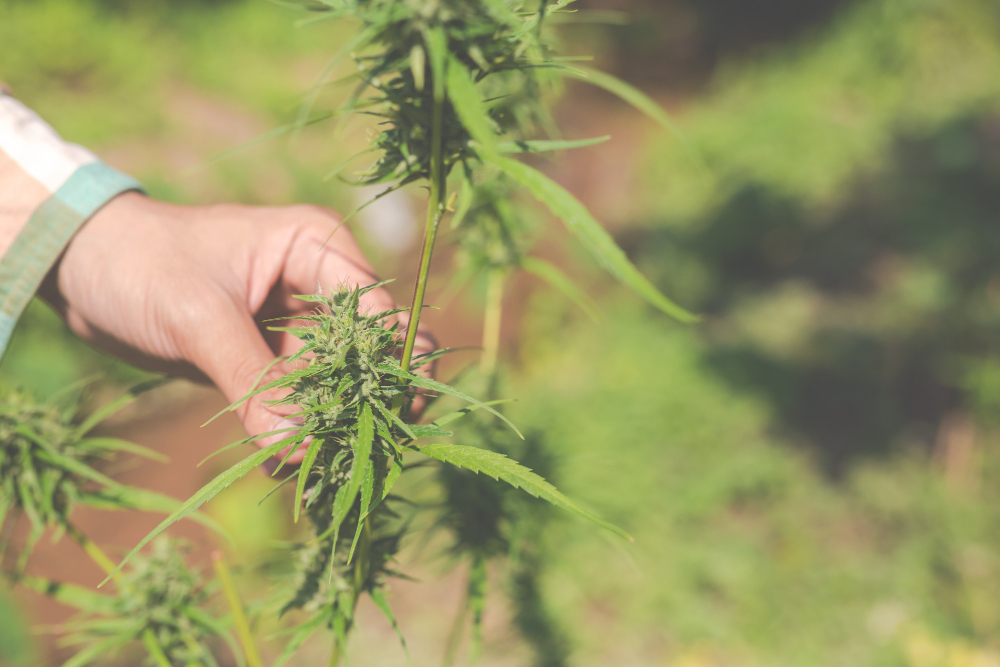
Cannabis extraction has revolutionized how patients access and consume medical marijuana. These sophisticated processes transform raw cannabis plants into concentrated products that offer precise dosing, enhanced potency, and diverse consumption options. For patients considering medical cannabis treatment, understanding these extraction methods can help you make informed decisions about which products might work best for your specific needs.
Whether you're exploring cannabis concentrates for pain management, anxiety relief, or other medical conditions, knowing how these products are made ensures you can choose the safest and most effective options available through licensed dispensaries.
What Is Cannabis Extraction?
Cannabis extraction is the process of separating valuable compounds—primarily cannabinoids like THC and CBD, along with terpenes—from the cannabis plant material. This process removes unwanted plant matter while concentrating the therapeutic compounds that provide medical benefits.
Medical cannabis extraction serves several important purposes. First, it creates products with consistent potency levels, allowing patients to dose more accurately than with traditional flower. Second, extraction can produce products with specific cannabinoid profiles tailored to different medical conditions. Finally, extracted products often provide longer shelf life and more discreet consumption methods.
Solvent-Based Extraction Methods
Butane Hash Oil (BHO) Extraction
Butane extraction uses liquid butane as a solvent to strip cannabinoids and terpenes from cannabis plant material. The process involves passing butane through cannabis in a closed-loop system, then removing the solvent through heat and vacuum purging.
BHO extraction produces various consistencies including shatter, wax, budder, and live resin. Shatter has a glass-like consistency and high potency, while wax offers a softer texture that's easier to handle. Live resin, made from fresh-frozen cannabis, preserves more terpenes for enhanced flavor and potentially improved therapeutic effects.
When performed by licensed professionals with proper equipment, BHO extraction creates safe, potent concentrates. However, improper purging can leave harmful solvent residues, which is why purchasing from licensed dispensaries with lab-tested products is crucial for patient safety.
CO2 Extraction
Carbon dioxide extraction uses pressurized CO2 to extract cannabinoids and terpenes. This method is considered one of the cleanest extraction techniques because CO2 is non-toxic and leaves no harmful residues when properly executed.
The process involves three phases: subcritical, mid-critical, and supercritical extraction. Subcritical CO2 extraction uses lower temperatures and pressure, preserving delicate terpenes but extracting fewer cannabinoids. Supercritical extraction uses higher pressure and temperature for maximum cannabinoid extraction.
CO2 extraction produces oils that range from thick, amber-colored concentrates to lighter oils suitable for vape cartridges. Many patients prefer CO2 products because they maintain the plant's natural terpene profile while eliminating concerns about residual solvents.
Ethanol Extraction
Ethanol extraction uses food-grade ethanol alcohol to dissolve cannabinoids and terpenes from cannabis material. This method can be performed using cold ethanol to preserve terpenes or warm ethanol for faster extraction.
The process involves soaking cannabis in ethanol, then filtering and evaporating the alcohol to leave behind concentrated cannabis oil. Ethanol extraction often produces full-spectrum extracts that contain a wide range of cannabinoids and terpenes, which may provide enhanced therapeutic benefits through the entourage effect.
Ethanol-extracted products typically have a darker color and more robust flavor compared to other extraction methods. This technique is particularly popular for producing tinctures and RSO (Rick Simpson Oil).
Solventless Extraction Methods
Rosin Pressing
Rosin extraction uses only heat and pressure to extract cannabinoids and terpenes, making it completely solventless. Cannabis flower, hash, or kief is placed between parchment paper and pressed using heated plates under significant pressure.
The process typically uses temperatures between 180-220°F and pressures ranging from 600-1500 PSI, depending on the starting material. Lower temperatures preserve more terpenes but may reduce yield, while higher temperatures increase yield but can degrade some compounds.
Rosin maintains the full spectrum of compounds found in the original cannabis material, often resulting in products with complex flavors and potentially enhanced therapeutic effects. The absence of solvents makes rosin appealing to patients who prefer the most natural extraction method available.
Ice Water Hash (Bubble Hash)
Ice water extraction uses only ice, water, and agitation to separate trichomes from cannabis plant material. The process involves mixing cannabis with ice water, agitating the mixture, then filtering through progressively finer mesh bags to collect trichomes of different sizes.
Different micron sizes produce varying qualities of hash. Finer microns (25-73µ) typically produce the highest quality, most potent hash, while larger microns (120-220µ) contain more plant material but still offer significant potency.
Ice water hash preserves the full terpene profile of the original cannabis strain and contains no residual solvents. This method produces a product that many patients find provides clean, flavorful effects that closely mirror the original plant's characteristics.
Choosing the Right Extraction Method for Your Needs
Different extraction methods produce products suited to various medical needs and consumption preferences. Patients seeking maximum potency might prefer BHO or CO2 concentrates, which can reach 70-90% cannabinoid content. Those prioritizing natural products might choose rosin or ice water hash.
Consider your preferred consumption method when selecting extracted products. Vape cartridges typically use CO2 or distillate oils, while dabbing works well with BHO, rosin, or ice water hash. Tinctures often use ethanol-extracted oils for their full-spectrum properties.
Dosing also varies significantly between extraction methods. Concentrates require much smaller amounts than traditional flower—often just a rice grain-sized portion provides substantial effects. New patients should start with minimal amounts and increase gradually under medical supervision.
Safety and Quality Considerations
Medical cannabis patients should only purchase extracted products from licensed dispensaries that provide comprehensive lab testing results. These tests screen for residual solvents, pesticides, heavy metals, and microbials while confirming cannabinoid and terpene profiles.
Proper storage extends the life and maintains the quality of cannabis extracts. Most concentrates should be stored in cool, dark places, preferably in airtight containers. Some products like live resin require refrigeration to maintain their terpene profiles.
Understanding extraction methods helps patients identify quality products and avoid potentially harmful alternatives from unlicensed sources.
Making Informed Decisions About Medical Cannabis
Cannabis extraction methods offer medical patients unprecedented access to consistent, potent, and diverse cannabis products. From solvent-based techniques like CO2 and BHO extraction to solventless methods like rosin pressing, each approach produces unique products with distinct characteristics and potential benefits.
The key to successful medical cannabis treatment lies in working with qualified healthcare providers and licensed dispensaries to identify products that match your specific medical needs and preferences. Quality extraction performed by licensed professionals ensures you receive safe, effective products that can provide the therapeutic benefits you're seeking.
If you're looking for a medical cannabis card in Altamonte Springs, FL, contact CSG Med today for more information about beginning your medical cannabis journey with proper guidance and support.