Applying for a Medical Marijuana Card in Florida
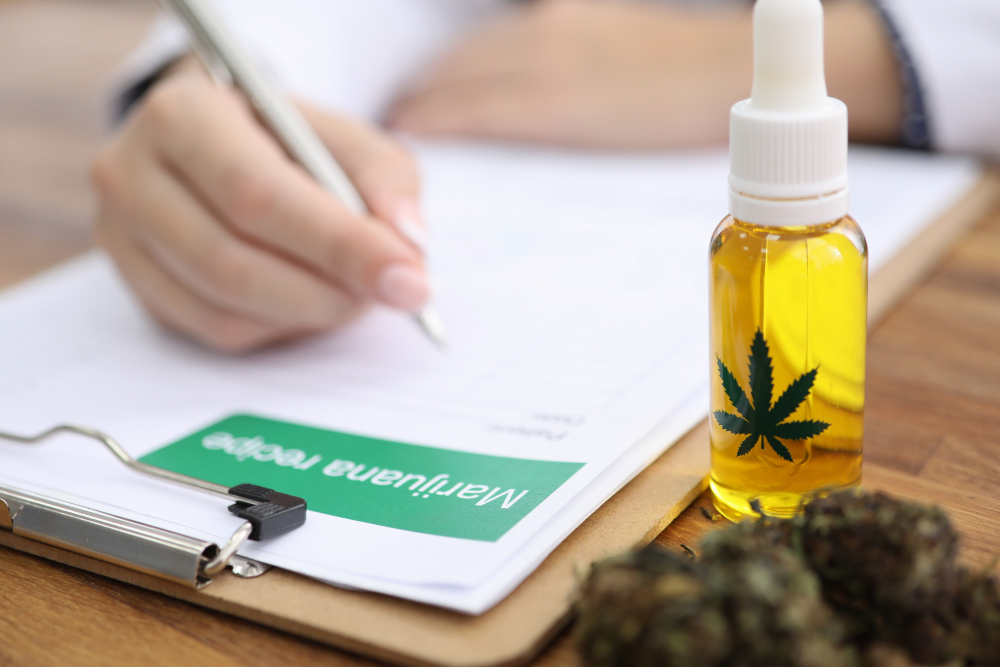
Applying for a medical marijuana card can feel overwhelming, especially if you're new to the process. Florida has specific laws and regulations that you need to follow, but with the right guidance, securing your card can be a straightforward experience. This guide will walk you through everything you need to know, from understanding the qualifying conditions to finding a certified physician.
If you're considering using medical cannabis to manage a health condition, this article will provide you with the essential steps and tips to navigate the application process successfully. By the end, you'll have a clear roadmap for obtaining your medical marijuana card in Altamonte Springs, FL, and accessing the relief you need.
Understanding Florida's Medical Marijuana Laws
Before you begin the application process, it’s helpful to understand the legal framework governing medical cannabis in Florida. In 2016, Florida voters approved the use of medical marijuana for individuals with specific debilitating medical conditions. The Florida Department of Health's Office of Medical Marijuana Use (OMMU) was established to oversee the statewide program.
This program allows qualified patients to possess and use medical cannabis under the recommendation of a certified physician. It's important to note that recreational marijuana remains illegal in Florida, so having a medical card is the only legal way to access and use cannabis products.
Who Qualifies for a Medical Marijuana Card?
To be eligible for a medical marijuana card in Florida, you must meet certain criteria. First, you need to be a permanent or seasonal Florida resident. Seasonal residents must live in the state for at least 31 consecutive days each calendar year and maintain a temporary residence.
Second, and most importantly, you must be diagnosed with a qualifying medical condition by a certified physician. The state has a specific list of conditions that make a patient eligible for treatment.
Qualifying Medical Conditions
Florida law outlines a list of conditions that qualify for a medical marijuana card. These include:
- Cancer
- Epilepsy
- Glaucoma
- HIV/AIDS
- Post-traumatic stress disorder (PTSD)
- Amyotrophic lateral sclerosis (ALS)
- Crohn's disease
- Parkinson's disease
- Multiple sclerosis (MS)
The law also includes a provision for "other debilitating medical conditions of the same kind or class as or comparable to those enumerated," as determined by a physician. This gives doctors some discretion to recommend medical cannabis for conditions like chronic pain, anxiety, and other ailments if they believe it will benefit the patient. If your condition is not on the primary list, a qualified physician can still evaluate whether you might be eligible under this clause.
Steps to Get Your Medical Marijuana Card
The process for obtaining your card can be broken down into a few key steps. Following these will ensure you complete your application correctly and efficiently.
1. Find a Qualified Physician
The first and most critical step is to schedule an appointment with a physician who is certified by the state of Florida to recommend medical marijuana. Not all doctors are qualified, so you'll need to find one who has completed the required training. The OMMU provides a public database of qualified physicians, which you can search to find a provider near you.
When looking for a medical marijuana card in Altamonte Springs, FL, it's best to find a clinic that specializes in cannabis evaluations. These practices are experienced with the application process and can guide you smoothly through each stage.
2. Prepare for Your Appointment
Before your appointment, gather any relevant medical records that document your qualifying condition. This could include diagnostic reports, treatment histories, and notes from other doctors. Having these documents ready will help the physician make an accurate assessment of your eligibility.
Be prepared to discuss your medical history, symptoms, and previous treatments you've tried. Honesty and openness are key. The physician's goal is to determine if medical marijuana is a safe and appropriate treatment option for you.
3. The Physician Evaluation
During your appointment, the physician will review your medical history and conduct an in-person physical examination. They will discuss the potential benefits and risks of using medical cannabis for your specific condition. If they determine that you are a qualifying patient, they will enter your information and a treatment recommendation into the Medical Marijuana Use Registry.
This registry is a secure, statewide database that tracks all qualified patients and their physicians. Once you are registered, you will receive an email from the OMMU with your patient ID number and instructions for the next step.
4. Complete Your Application with the OMMU
After your physician has registered you, you'll need to complete your application on the OMMU website. You will use the patient ID number from the email to log in and fill out the required information.
During this step, you will need to:
- Provide proof of Florida residency (such as a valid Florida driver’s license or ID card).
- Upload a passport-style photo.
- Pay the state application fee (currently $75).
The application is reviewed by the state, and this process can take several business days. You can check the status of your application online through the OMMU portal.
5. Receive Your Card and Purchase from a Dispensary
Once your application is approved, you will receive a temporary ID card via email, which you can use immediately to purchase medical cannabis. Your physical card will be mailed to you and should arrive within a few weeks.
With your card, you can purchase products from any licensed Medical Marijuana Treatment Center (MMTC) in Florida. You must bring your card and a state-issued photo ID with you every time you visit a dispensary.
Tips for a Smooth Application Process
- Do Your Research: Before choosing a physician, read reviews and ensure they are reputable and experienced. A good clinic will make the process feel supportive, not transactional.
- Be Organized: Have all your medical records and proof of residency ready before you start the process. This will prevent delays.
- Ask Questions: Don't hesitate to ask your physician any questions you have about medical cannabis, including dosage, types of products, and potential side effects.
- Follow Up: If you don’t receive an email from the OMMU within a day or two of your appointment, contact your physician’s office to ensure you were registered correctly.
Your Path to Wellness Starts Here
Navigating the world of medical cannabis for the first time can seem complex, but it's a manageable process that has helped countless Floridians find relief. By understanding the requirements and following the steps outlined in this guide, you can confidently apply for your card and begin your journey toward better health.
If you're looking for a medical marijuana card in Altamonte Springs, FL, and need a trusted partner to guide you, our team is here to help. At Cannabis Specialty Group, we specialize in helping patients through every step of the process with compassion and expertise. Contact us today for more information or to schedule your evaluation.